
Car Audio for Beginners: Getting Started

Car Audio for Beginners: Getting Started
In an era dominated by streaming services and mobile connectivity, modern drivers demand nothing less than exceptional in-car entertainment experiences. Whether you’re commuting daily or embarking on road trips, a well-designed car audio system can transform ordinary drives into immersive journeys. Understanding the fundamentals of car audio is essential for anyone aiming to upgrade their vehicle’s soundscape.
This guide explores every aspect of automotive audio—from basic components to cutting-edge technologies—offering practical advice tailored for newcomers and experienced enthusiasts alike. By the end, you’ll gain confidence navigating installation choices, component selection, and optimization techniques.
The Core Components of a Car Audio System
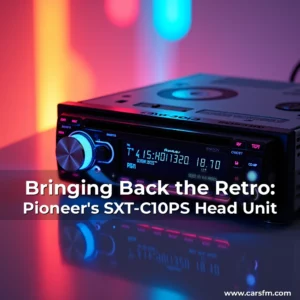
A functional car audio system comprises interconnected hardware working in harmony to deliver crisp, balanced sound. At its heart lies the head unit, acting as the control center responsible for playing music and managing inputs. This device interfaces with external devices through AUX jacks, USB ports, and increasingly common Bluetooth connections.
Beyond the source unit, speakers form the backbone of sound reproduction. Typically located in doors, dashboards, and trunks, these transducers convert electrical signals into audible vibrations. Proper placement ensures even coverage across the passenger compartment, preventing hotspots where sound becomes muddled.
- Speakers: Mid-range and tweeters handle higher frequency sounds, while woofers specialize in deep bass tones. Subwoofers provide additional low-frequency punch when paired with appropriately powered amplification.
- Amplifiers: These electronic circuits boost weak signals from the head unit to drive speakers effectively. Amplifier choice depends on wattage ratings matching speaker impedance and physical mounting space available in the vehicle.
- Crossovers: Act as filters dividing audio signals to direct specific frequency ranges to appropriate speakers. Active crossovers integrate seamlessly with amplified systems for precise tuning opportunities.
- Wiring Harnesses: Customized cable bundles ensure secure, reliable connections between components. Quality wiring minimizes electromagnetic interference that degrades sound clarity and prevents unexpected failures due to poor contact surfaces.
Selecting compatible gear remains critical regardless of whether building a custom setup from scratch or upgrading factory components gradually. Mismatched impedances or inadequate power delivery can lead to distorted outputs or damaged speakers under heavy use scenarios typical during extended listening sessions.
Evaluating Your Vehicle’s Sound Characteristics
Before investing heavily in upgrades, assess baseline acoustic properties inherent to your particular model. Factors influencing natural resonance include body shell rigidity, interior panel configurations, seating arrangements, and ventilation duct placements.
Vehicles built primarily for utility purposes tend to exhibit boxier interior shapes promoting excessive reverberation at midrange frequencies. Conversely, sports coupés with sleek contours may dampen highs prematurely unless supplementary tweeter placements compensate accordingly.
Soundproofing Considerations
Measuring ambient noise levels reveals how much insulation your cabin already possesses against highway wind roar and tire hums. Inexpensive foam panels applied strategically behind door linings reduce unwanted reflections that muddy vocal articulation present in many musical genres.
Experiments conducted by automotive engineers demonstrate that increasing mass barriers separating driver seats from rear compartments enhances stereo imaging accuracy by isolating left-right channel interactions from cross-talk caused by sound waves bouncing around irregularly shaped enclosures.
Determining Your Upgrade Pathway
Newcomers often face decision fatigue deciding between complete replacements versus incremental enhancements targeting specific deficiencies observed during test listenings. Budget constraints frequently dictate this path although long-term satisfaction hinges upon aligning expectations with realistic limitations imposed by original equipment manufacturer (OEM) designs.
Factory stereos typically offer limited modulation capabilities restricting dynamic range compression adjustments useful for mastering loudspeaker outputs precisely. Upgrading to aftermarket receivers enables greater fine-tuning potential especially concerning equalization curves shaping treble emphasis preferences unique to individual taste profiles.
Installation Best Practices for Novices
Rookie installers commonly overlook simple yet impactful measures ensuring longevity of modified audio systems. Prioritizing electrical isolation through relay switches protects sensitive electronics against voltage spikes triggered unintentionally during startup sequences involving alternators operating simultaneously alongside battery discharges through active components.
Purchase shielded coaxial cables designed explicitly for automotive environments resisting degradation from moisture ingress and mechanical stressors encountered regularly beneath dashboards subjected to temperature extremes ranging from winter freezes (-20°C) to summer heatwaves exceeding 60°C internally.
- Mounting Speakers Securely: Utilize OEM-compatible speaker adapters preserving structural integrity of trim pieces rather than drilling holes risking costly repairs later requiring professional intervention.
- Power Management Solutions: Install inline fuses rated slightly above amplifier draw requirements safeguarding circuitry against overloads potentially igniting flammable insulation materials found near fuel lines.
- Ground Connection Techniques: Locate clean metal surfaces free from paint coatings serving as grounding points minimizing hum artifacts originating from improper earth return paths causing persistent static backgrounds audible throughout playback sessions.
While DIY approaches save expenses initially incurred purchasing certified service centers performing labor-intensive modifications, some tasks inevitably benefit greatly from expert assistance particularly when dealing with complex routing schemes required for hard-to-reach locations necessitating specialized tools unavailable generally among home workshops equipped standard toolkits.
Advancements in Connectivity Technologies
Recent innovations drastically expand interactivity between smartphones and vehicular infotainment ecosystems. Integrated Wi-Fi modules enable seamless synchronization transferring playlists automatically detected through cloud-based platforms accessing vast libraries maintained by streaming subscription services accessible worldwide independent geographic location changes.
Smartphone app integrations now allow granular control over playback settings normally restricted to physical buttons limited by spatial constraints posed by compact dashboard real estate allocations favoring minimalist layouts preferred amongst luxury automakers emphasizing aesthetics combined functionality.
Optimizing Acoustic Performance Through Room Treatment Principles
Analogous principles governing domestic theater calibration apply equally well within closed vehicle cavities albeit scaled-down dimensions demanding simplified treatment strategies avoiding impractical application of bulky absorptive materials unsuitable confined spaces available typically below seat cushions.
Tuned damping compounds selectively targeted toward problematic resonant frequencies identified via FFT analysis software reveal exact trouble spots warranting localized remediation efforts instead of blanket applications reducing contrast ratios essential perceptual differentiation distinguishing rich harmonics present in live recordings versus flat digital files compressed extensively diminishing auditory fidelity.
Fiscal Planning Strategies for Car Audio Projects
Establishing accurate budgets considering hidden costs lurking beyond obvious purchase prices proves vital circumventing frustration stemming unmet expectations arising sudden expenses exceeding initial estimates. Researching regional availability of replacement parts reduces travel burdens faced acquiring rare components necessitating visits distant distribution hubs otherwise inaccessible conveniently local markets.
Comparative shopping among authorized dealers offering warranty protections provides peace of mind guaranteeing defect-free operation within defined periods post-installation contrasting gray market alternatives lacking comparable support structures potentially leading regrettable investments wasting time resources chasing after unreliable third-party suppliers prone supply chain disruptions affecting timely fulfillment commitments.
Future Trends Shaping Car Audio Evolution
Emerging developments promise transformative shifts redefining paradigms surrounding vehicle-mounted audio consumption. Holographic display technologies project three-dimensional visualizations enhancing concert experience simulating presence midst stadium crowds through augmented reality lenses embedded within sunglasses frames worn by passengers enjoying synchronized light shows accompanying digitally remastered tracks streamed wirelessly without conventional headphones obstructing conversation flow among occupants engaged casual dialogue exchanges during shared rides.
Neural network algorithms trained recognizing listener biometrics establish personalized EQ profiles adapting automatically adjusting crossover frequencies based subtle physiological cues indicating fatigued ear muscles requiring softened treble regions alleviating strain induced prolonged exposure high-pitched noises detrimental hearing health overtime spanning years regular usage patterns accumulating thousands hours accumulated throughout lifespan owning average motor vehicle.
Conclusion
Mastering the intricacies of car audio empowers owners crafting bespoke sonic landscapes reflecting personal preferences while respecting mechanical realities imposed by vehicular architectures. From fundamental component selections to bleeding edge technological implementations, thoughtful consideration guarantees rewarding outcomes satisfying auditory cravings experienced anywhere transportation occurs spontaneously.
To embark on this journey confidently, consult trusted retailers familiar with latest industry standards offering knowledgeable staff capable answering nuanced questions arising during product evaluations. Ultimately, balancing innovation pursuits with pragmatic limitations cultivated wisdom guiding superior sound experiences safely within bounds physics laws governing wave propagation mechanics uniquely applicable mobile audio environments constrained by dimensional restrictions unlike stationary listening rooms designed exclusively sonic immersion goals.

news is a contributor at CarsFM. We are committed to providing well-researched, accurate, and valuable content to our readers.



Leave a Reply