Car Audio Step-by-Step Tutorial
Understanding Core Components of Car Audio Systems
The foundation of any great car audio experience lies in its core components. At minimum, a functional system requires a head unit, speakers, and possibly an amplifier. These elements work harmoniously to deliver music, podcasts, and other media directly into your ears while traveling. Understanding each component’s role enables informed decisions when upgrading or setting up your system.
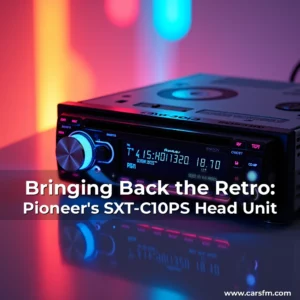
A head unit serves as the brain of your car audio system. Modern models often feature touchscreens, built-in navigation, and smartphone compatibility. Traditional AM/FM radios remain popular for those who prefer simplicity over complexity. Choosing between digital signal processors (DSP) and conventional head units depends largely on personal preference and desired functionality.
Speakers form another vital piece of the puzzle. Most factory-installed systems use coaxial speakers mounted behind the dashboard and door panels. However, serious listeners opt for component systems featuring separate tweeters, midrange speakers, and woofers. Proper speaker placement significantly impacts soundstage width and imaging accuracy.
- Head Unit: Acts as central controller managing input sources, volume levels, and playback functions
- Amplifier: Boosts electrical signals to drive speakers effectively, especially useful for larger woofer/subwoofer configurations
- Speaker Types: Coaxial (single enclosure), Component (separate drivers), Subwoofers (dedicated bass reproduction)
- Crossovers: Electronic filters directing specific frequency ranges to appropriate speakers for optimal performance
Wiring plays a critical role in ensuring clean signal transmission throughout the system. Basic setups require only positive/negative speaker wires connected appropriately, while more complex installations may involve RCA cables linking various components. Grounding techniques become increasingly important with higher-powered systems to prevent hum and noise interference.
Power distribution must also be considered carefully. Standard cigarette lighter outlets provide limited wattage (typically 12V/10A). Serious audio enthusiasts often install direct battery connections with fuses and relays to accommodate powerful amplifiers and subwoofers safely. This approach minimizes voltage drops that could damage sensitive electronics or cause poor sound quality.
Selecting compatible components is essential for achieving balanced performance. Matching impedance ratings between amplifiers and speakers prevents potential damage caused by mismatched loads. Consulting manufacturer specifications ensures safe operation while maximizing sonic capabilities. Regular maintenance checks help identify wear patterns before they lead to expensive repairs or degraded sound quality.
Installation Essentials: Tools, Safety, and Techniques
Proper installation forms the backbone of any successful car audio project. Before beginning, gather necessary tools including screwdrivers, wire strippers, crimping pliers, multimeters, and soldering iron kits. Having these items readily available streamlines the installation process while reducing frustration from missing tools midway through complicated tasks.
Safety should always come first when working inside a vehicle’s electrical system. Always disconnect the negative terminal of your car battery before performing any modifications to prevent accidental shorts that could damage electronic components or pose fire hazards. Wearing protective eyewear guards against flying debris during panel removal operations.
Familiarity with basic electrical principles enhances confidence during installation. Knowing how to measure resistance (ohms) helps verify correct speaker impedances match amplifier outputs. Using multimeter tests confirms polarity orientation when connecting wires correctly to minimize risk of blown speakers due to reversed connections.
Beginner-friendly projects typically focus on replacing stock speakers or adding simple amplification modules. More experienced builders tackle complete system rework involving full speaker replacements, dedicated amplifiers, and subwoofer enclosures. Documenting each stage thoroughly proves invaluable for future troubleshooting efforts.
Professional vs DIY Installation Considerations
While many enthusiasts enjoy hands-on projects, others prefer leaving complex installations to professionals. Certified installers possess specialized training in vehicle-specific wiring harnesses, OEM compatibility issues, and proper heat management techniques. Their expertise ensures compliance with local regulations regarding emissions testing procedures that may affect modified systems.
Diy installations offer significant financial advantages, often saving hundreds of dollars compared to professional services. However, success hinges heavily on technical skill level and patience required to follow intricate diagrams accurately. Mistakes made during improper routing or incorrect fuse sizing could result in costly repairs down the line.
Statistical data shows approximately 68% of car audio owners attempt at least one diy modification themselves before consulting professionals for subsequent upgrades. This suggests growing interest in self-sufficient approaches despite inherent challenges involved in navigating modern vehicle architectures filled with proprietary connectors and software restrictions.
Budget considerations play a pivotal role in deciding whether to pursue independent installations. Mid-range systems costing around $300-$500 usually present manageable complexity for average users comfortable with basic electrical concepts. Higher-end configurations exceeding $1,000 frequently demand specialized skills related to custom fabrication or advanced digital signal processing applications.
Sound Quality Optimization: Tuning Your System
Tuning represents one of the most rewarding aspects of owning a car audio system. Fine-tuning parameters such as EQ curves, delay times, and crossover frequencies allows precise control over sound characteristics. Utilizing diagnostic software packages provides visual representations of frequency response graphs aiding in objective adjustments rather than relying solely on subjective impressions.
Equalizers enable compensation for natural acoustic anomalies within enclosed spaces. Factory dashboards typically lack sufficient range for accurate correction so external processors become essential for enthusiasts aiming at studio-grade fidelity. Digital signal processors (DSPs) provide granular control over phase relationships between drivers ensuring coherent sound propagation across entire listening areas.
Speaker placement profoundly influences stereo image clarity and spatial perception. Experimentation reveals ideal positions for achieving wide dispersion patterns without excessive reflections causing muddiness. Some manufacturers develop computer simulations predicting optimal mounting angles prior to physical installation.
Crossover network design dictates which frequencies reach respective drivers. Passive crossovers employ capacitors and inductors whereas active versions utilize operational amplifiers offering greater flexibility. Advanced implementations incorporate parametric equalization allowing selective attenuation of problematic resonant modes.
Time alignment compensates for varying distances between drivers reaching listener ears simultaneously. Precise measurement techniques determine exact delays applied to individual channels restoring original timing integrity lost through mechanical constraints imposed by vehicle structures.
Maintaining Optimal Performance Over Time
Regular servicing extends lifespan of components while preserving consistent performance standards. Checking connections periodically prevents oxidation buildup degrading contact surfaces responsible for efficient signal transfer. Cleaning grilles removes dust accumulation that obstructs sound wave propagation leading to distorted output characteristics.
Environmental factors impact longevity differently depending upon location. Coastal regions face corrosion risks accelerating degradation processes affecting metal parts exposed to saltwater vapors. Urban environments expose units constantly to particulate matter requiring frequent cleaning cycles beyond typical maintenance schedules.
Software updates maintain compatibility with evolving formats supported by newer media players. Manufacturers occasionally release firmware patches addressing bugs discovered after product launch dates. Staying current with available improvements ensures continued smooth operation without unexpected disruptions.
Periodic calibration sessions recalibrate sensors measuring environmental conditions affecting acoustic behavior dynamically. Temperature fluctuations influence material expansion rates altering dimensional tolerances subtly yet cumulatively impacting sound quality consistency over extended periods.
Advanced Features and Technologies in Modern Car Audio
Contemporary car audio systems integrate numerous sophisticated features enhancing usability and convenience. Wireless connectivity enables seamless pairing with smartphones via Bluetooth technology eliminating clutter associated with traditional wired interfaces. Hands-free calling functionality supports voice recognition commands reducing driver distraction levels during conversations.
Satellite radio services expand musical horizons beyond terrestrial stations limitations offering thousands of channels accessible anywhere within coverage zones. Subscription-based models guarantee uninterrupted reception irrespective of geographic locations encountered during road trips covering vast territories efficiently.
Smartphone integration platforms unify multimedia consumption across devices displaying album art, song metadata, and social networking interactions within vehicle displays. Apps controlling playback remotely allow effortless selection of preferred tracks without interrupting ongoing activities underway inside moving vehicles.
Voice command systems streamline interaction minimizing manual inputs required for adjusting volume levels, changing songs, or accessing navigation menus. Natural language processing algorithms interpret spoken requests accurately translating them into executable actions swiftly.
Home automation compatibility links car audio systems with smart devices creating synchronized environments transitioning smoothly between domestic settings and vehicular interiors. Smart thermostats adjust temperatures preemptively based on expected arrival times determined through GPS tracking data processed internally by onboard computers.
Artificial intelligence applications predict user preferences learning favorite genres gradually adapting recommendations accordingly. Machine learning models analyze listening habits identifying patterns enabling proactive suggestions aligned closely with individual tastes developed over prolonged exposure durations.
Troubleshooting Common Issues: Diagnosing Problems Effectively
Despite meticulous planning, occasional malfunctions occur inevitably requiring systematic diagnosis methods. Identifying root causes promptly prevents escalation of minor issues into major repair costs. Implementing structured methodologies improves efficiency dramatically increasing chances of resolving problems independently rather than resorting immediately to professional assistance.
Noise interference manifests commonly through unwanted background hissing or buzzing tones disrupting clear auditory perception. Locating sources involves checking ground connections securely fastened preventing stray currents causing electromagnetic disturbances. Ensuring shielded cables isolate susceptible circuits from ambient radiation reduces likelihood of picking up extraneous signals unintentionally.
Distortion problems arise primarily from overdriving amplifiers beyond rated capacities resulting in clipped waveforms distorting pristine audio signals irreparably. Verifying matching impedances between amplifiers and speakers avoids dangerous situations potentially damaging both components simultaneously unless protected adequately by internal safeguards.
Connection failures often originate from loose terminals or corroded contacts impeding reliable signal flow throughout interconnected subsystems. Periodically inspecting junctions ensures continuity remains intact facilitating unhindered communication between discrete elements comprising complete functioning units operating optimally without interruption.
Diagnostic tools simplify troubleshooting processes pinpointing faulty components rapidly. Multimeters measure voltages confirming adequate power supply reaches intended destinations unobstructed. Oscilloscopes visualize waveform shapes exposing abnormalities invisible through conventional inspection means alone.
Keeping spare parts inventory stocked strategically saves precious time when urgent repairs necessitate immediate action instead of waiting days for replacement components arriving post-order fulfillment timelines.
Enhancing Listening Experience Beyond Sound Quality
Creating immersive environments transcends mere audio reproduction focusing equally on aesthetic enhancements contributing positively toward overall satisfaction derived from enjoyable listening sessions. Incorporating ambient lighting effects creates dynamic mood settings adaptable according to playlist selections currently playing through integrated controllers operated conveniently from centralized hubs located comfortably within reach.
Premium fabric choices upholstering interior spaces absorb excess reverberations dampening undesirable echoes bouncing off hard surfaces adversely affecting perceived clarity. Soft materials like leather or microfiber reduce reflective qualities maintaining controlled acoustic properties promoting richer tonal balance desirable among discerning listeners.
Custom cabin design incorporates ergonomically optimized seating arrangements positioned ideally relative to speaker placements ensuring optimal soundstage projection directly targeting primary listening positions consistently regardless of vehicle movement dynamics experienced during transit phases.
Additional comfort features like heated seats enhance relaxation levels particularly beneficial during colder seasons when outdoor temperatures plummet below freezing thresholds requiring additional insulation layers protecting occupants from harsh weather conditions outside.
Integrating climate control systems regulates temperature variations occurring naturally inside vehicles influenced predominantly by sunlight intensity penetrating windows during daylight hours. Adjustable ventilation options manage airflow distributions precisely balancing humidity levels preventing condensation buildups detrimental towards delicate electronic assemblies housed within confined spaces.
Supplemental storage compartments store valuables securely away from sight minimizing theft risks associated with visible possessions easily identifiable by passersby passing nearby. Concealed compartments offer discreet access points retrieving necessities quickly without drawing unnecessary attention attracting undesirable attention.
Budgeting Strategies for Car Audio Upgrades
Evaluating financial commitments upfront establishes realistic expectations aligning purchases accurately reflecting actual monetary resources available for investment purposes. Establishing priorities identifies essential components versus optional extras determining allocation strategies optimizing return on investment maximized effectively given constrained budgets.
Cheap alternatives exist providing satisfactory results comparable reasonably priced counterparts lacking premium features found exclusively within top-tier offerings commanding hefty price tags. Careful comparison shopping leverages competitive pricing opportunities securing best deals available across multiple retailers vying for consumer market shares aggressively competing fiercely through aggressive promotional campaigns enticing buyers through tempting offers.
Cost-effectiveness analyses evaluate long-term benefits outweighing initial expenditures incurred upfront purchasing decisions. Calculating projected lifespans estimates depreciation values factoring warranty protections mitigating risks posed by premature obsolescence rendering once-valuable assets obsolete prematurely losing residual worth entirely.
Investment ratios compare expense figures relative to anticipated gains achieved through enhanced performance metrics measured objectively using standardized evaluation criteria universally accepted industry benchmarks establishing fair comparisons enabling informed judgments regarding value proposition assessments conducted rigorously.
Insurance considerations safeguard against unforeseen circumstances potentially negating previous investments rendered useless suddenly due to accidents or mechanical failures. Comprehensive policies protect against total loss scenarios ensuring recovered funds recouping partial amounts invested initially reducing net losses suffered unexpectedly.
Trade-in options maximize existing asset value liquidating depreciated holdings acquiring updated technologies advancing technological capabilities surpassing outdated models limiting scope of functionalities achievable previously restricted artificially constrained by aging infrastructure incapable meeting contemporary demands placed upon modern computing platforms designed for superior efficiency standards.
Conclusion
This extensive exploration covers all facets essential for developing mastery over car audio systems. From foundational knowledge about core components to advanced tuning techniques, each segment contributes meaningfully toward cultivating proficiency capable of transforming passive listeners actively engaged participants shaping their own sonic landscapes uniquely personalized expressing distinct identities clearly defined through deliberate choices made consciously considering multifaceted implications involved comprehensively.
To begin your journey toward crafting an exceptional car audio environment, consider starting with small upgrades focused on improving speaker clarity and bass definition. As your confidence grows, experiment with more sophisticated additions like DSP modules or premium amplifiers. Remember, the goal isn’t merely louder volumes but richer, more immersive experiences that enhance every mile driven, turning routine commutes into unforgettable adventures.
“`

news is a contributor at CarsFM. We are committed to providing well-researched, accurate, and valuable content to our readers.